Care Mother's Care

✨ Foshan Mycarol Electric Technologies Inc. ✨
⭐Welcome to Mycarol⭐
Breast feeding knowleage:Breast Milk and Breast Pump
Author:Hansms
Click:
Time:2024-07-05 00:08:30

As a mother, the knowledge of breastfeeding is significant. This article focuses on the composition and physiological phenomena of breast milk, and why it is necessary to use a breast pump. We will examine the production and composition of breast milk and the use of breast pumps from various dimensions.
1.Composition of breast milk
Ever since you were in your mother's womb, your breasts have been preparing for breastfeeding. By the time you are born, your primary mammary ducts (the network of tubes designed to carry milk through the breast) have formed. Your mammary glands remain quiet until puberty, when a flood of estrogen causes them to grow and swell. During pregnancy, these glands go into high gear.

Secrete colostrum about three to four months after pregnancy, and your breasts may leak colostrum during the final weeks of pregnancy. This happens to some women as early as the second trimester. Your body will continue to produce colostrum for the first few days after birth. This high-protein, antibody-rich liquid contains all the nutrients a newborn needs.
Mature milk appears about two to four days after the baby is born, depending on the frequency of breastfeeding in the first hours and days after birth. Your milk production will adjust according to your baby's appetite and the frequency of feeding.
There are more than 200 known beneficial ingredients in breast milk, and more and more are being discovered. For example, researchers now believe that fatty acids in breast milk can promote the growth of babies' brains and retinas, and may even enhance cognitive abilities. Many of these elements, including infection-fighting white blood cells, cannot be made. Learn more about the benefits of breastfeeding for mom and baby.

During feeding, breast milk changes from a high water and lactose foremilk to a high fat and high calorie aftermilk. The amount of milk you produce will increase with your baby's weight and appetite until solid foods become part of their daily diet.
The milk production process begins during pregnancy. If you are pregnant, you may have noticed changes in your breasts, such as tenderness, swelling, and darkening of the areola (the circle of skin around it). These changes may be some of the earliest clues to your idea.
However, if you don't notice any changes in your breasts during pregnancy, don't worry. It's also perfectly normal that your body is still preparing to produce milk.
Before pregnancy, supporting tissue, mammary glands, and protective fat make up a large portion of the breast. The amount of adipose tissue is a genetic trait that varies from woman to woman, which is why breasts come in such a variety of sizes and shapes. The size of your breasts does not determine your ability to produce milk or breastfeed.
2. Why you need to use a breast pump
Reason 1 :Open milk
According to the American Academy of Pediatrics, only one out of every four babies gets close to their mother's breast in time. The breast pump can help the mother to fully open the difficult task of obtaining the mother's precious colostrum.
Colostrum, sometimes called "liquid gold," is the first milk produced by the human body. It can be transparent, white, yellow, or orange, and is usually thick and sticky. During the first few days of breastfeeding, your newborn will be perfectly nourished by this nutrient-rich, high-protein, low-fat, easily digestible fluid, which is produced when the cells in the center of the alveoli dissolve and flow through the milk ducts. Colostrum has higher levels of protein, minerals, salt, vitamin A, nitrogen, white blood cells, and certain antibodies, and less fat and sugar than mature milk. It is also rich in unique disease-fighting antibodies called immunoglobulins that boost your baby's immune system.
When you feed your newborn baby colostrum, it is as if you are giving them their first vaccination. Colostrum also has a slight laxative effect that helps the newborn clear meconium from the gastrointestinal tract, which is the accumulation of feces in the womb. Getting rid of this black tar soon after birth can reduce the risk of jaundice. Babies have small bellies, so they only drink a small amount of milk at first - about a teaspoon of colostrum with each feeding. But a little colostrum goes a long way.
You may not feel like you're producing much (and your breasts don't feel full yet), but every drop is packed with nutrients and protective ingredients. Over the next few days, your milk will transition from colostrum to mature milk (although some colostrum will continue to appear in your milk for several weeks).
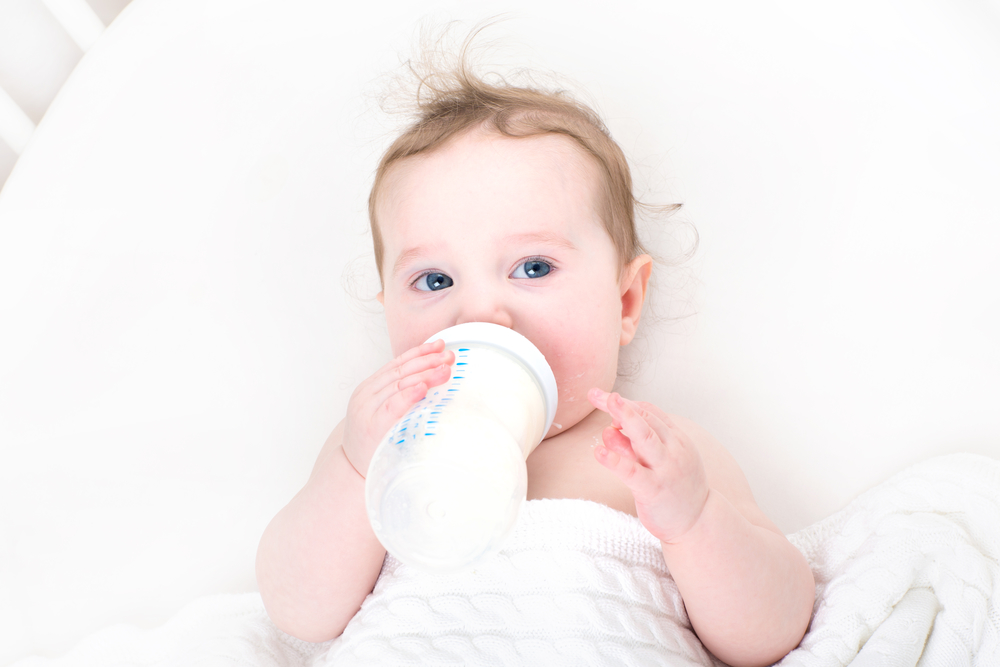
Reason 2:Transient separation
The mother goes to work, goes out, is ill - these conditions will cause a short period of time, time can directly reduce the number of baby Suckling, resulting in reduced milk or milk back. The breast pump is the mother's loyal partner, in the case that the baby has no conditions to suckle, absorb milk, maintain secretion, the baby has milk to drink, the mother is also comfortable
Reason 3:Weaning
Weaning - The World Health Organization recommends that mothers breastfeed naturally, but in reality, very few of us can breastfeed naturally for 24 months. When leaving the breast, the breast pump should be used to gradually reduce the number of breast pumping, reduce milk secretion, and eliminate residual milk, which not only avoids the pain of hypermilking and galactomastitis, but also reduces the risk of residual milk gathering in the breast.
Reason 4:For C-section moms
Some mothers choose to give birth by Caesarean section, when the mother's wound is more painful. Breastfeeding requires the mother to open the milk as soon as possible, in order to ensure that there is enough milk secretion in the next lactation period and promote the mother's postpartum recovery.
Therefore, we encourage the mother three early, and the C-section mother because of the wound pain and other reasons is unable to hold the baby to pump milk, which will increase the wound pain, at this time you can use the breast pump to replace the baby, avoid touching the mother's wound, so that the baby can get precious colostrum, but also promote the mother's milk secretion; When you can move out of bed, use the cradle position to feed your baby
Reason 5:Indentation of nipple
The nipple does not protrude but depresses inward, which is called nipple invagination. The degree of nipple invagination varies from person to person, and the mild one only shows different degrees of low or retraction of the nipple, which can protrude or extrude the nipple after stimulation.
In severe cases, the nipple is completely trapped in the areola, cannot be pulled out, is crater-like, and is often accompanied by secretions or odor. Even if the inverted nipple is extruded, it is generally small, often no obvious nipple neck, and the incidence of female nipple retraction is 1% to 2%, usually bilateral, can only occur on one side, the degree of nipple retraction is not consistent, nipple retraction affects the appearance of the breast, in addition, because the inverted nipple can accumulate dirt or oil, causing infection or odor.
What is more serious is that the nipple retraction makes it difficult for the baby to suck milk and lose the breastfeeding function.

3.Breastfeeding time and frequency
Physiologic bloating usually occurs when milk production begins to increase after lactation activation within 2 to 6 days postpartum. The breasts usually become full, sensitive, and painful, with redness, shiny skin, and diffuse edema. These symptoms tend to appear on both breasts and begin to spread. 24-72 hours can naturally fade (body fluids are absorbed by the body, edema subside), so do not casually press and knead. Achieve the "three mornings". Some mothers can not reach the baby at the first time, when you can use a breast pump. If the breast has been swollen to high temperature and hard lump need to be checked by a nearby doctor to avoid has evolved into mastitis
The new mother's breastfeeding posture is not correct, the number of feedings is less, the rest is less emotional instability, and so on will cause the new mother to be unable to completely drain the milk when breastfeeding, resulting in the mother's milk stasis and breast tenderness.

First feed the affected side (the swollen breast) and breastfeed frequently to help eliminate the blockage, with no more than 3 hours between feeds, 6-8 times a day. If the mother is often separated from the baby or the baby has not been effectively breastfed, a breast pump may still be a more effective way to relieve the pain of milk swelling (to resolve milk stasis) by softening the breast with prolactin mode and then draining the breast with pumping mode. Every time the milk rises, the milk should be removed, and the feeling of the end of the milk will not cause the breast to overinflate during the next feeding.
In the period of return to milk, the mother should gradually reduce the number of feedings, reduce the number and amount of breastfeeding of the baby or no longer let the baby suck. At this time, you can use a breast pump to replace the baby's sucking, so that milk secretion is gradually reduced; If the mother's breast is uncomfortable, you can use a breast pump to suck out the milk, but do not completely empty it, otherwise it will promote milk secretion.
Recommended natural milk, in the period of milk, the mother should gradually reduce the number of times to the baby to drink breast milk, can not suddenly let the baby quit breast milk, but gradually let the baby drink less breast milk. Auxiliary weaning: do not use hot compress before use, directly use automatic breast pump pumping mode to pump milk do not empty the breast, pay attention to whether there is milk duct blockage. Reduce the time and frequency of pumping compared to the original breastfeeding period.

4.How to use breast pump
Take our wearable breast pump XN-D266 for example.

The use of vacuum negative pressure to pull the nipple areola is helpful to open the milk in time after childbirth, and quickly relieve the pain of swollen milk. Effectively stimulate the mother's areola around, produce physiological response, stimulate the pituitary gland to secrete prolactin quickly to produce milk, will not damage the breast body
1.Before breastfeeding, check the nipple for redness, powder, edema, peeling and red plaque. If the nipple is not damaged, it should be prevented by sheep fat cream. If the nipple is damaged, it should be alleviated by red dehydrin ointment.
2. Correct the breastfeeding position or use the breast pump correctly when breastfeeding, the mother's hand is C-shaped to support the breast and touch the baby's mouth with the nipple to establish the baby's foraging reflex; Once the baby's mouth is wide open, the nipple and most of the nipple and halo are contained in the baby's mouth to effectively suck. The breast pump is not a vacuum cleaner, not the bigger the suction, the better, please adjust the gear suitable for your own starting from the smallest suction gradually increase, feel a little uncomfortable to turn down a gear.
3. If the nipple has not improved after rest and bacterial infection is suspected, it is recommended to go to the hospital. The three passes are for personal use and cannot be shared by many people.

①. Make sure the breast pump is assembled correctly。
②. Lean forward to ensure that your nipple is located in the middle of the flange channel, and the breast pump should be close to the breast.
③. We recommend that users wear a fully covered breastfeeding bra, ensuring a tight seal between the breast and the flange.
④. When the pump is over, lean forward slightly and remove the pump from the breast.
Prev : Business Trip to Malaysia: Local Market Investigating and DiscoverNext : Participate in CBME Shanghai: Meet More Business Chance
文章推荐
ABOUT US
Offering value for clients,
Providing opportunity for staff,
Developing the best products,
Creating the best brand.
CONTACT US
Tel:+86 757 2381 2319
Fax:+86 757 2381 2306
E-mail: sales@mycarol.cc
Company Location
Unit 501, 502, Floor 5, Building 2, Qide Zhiye Park, No. 2-1, East Xingye Road, Shunjiang Community Resident Committee Industrial Park, Beijiao Town, Shunde District, Foshan, Guangdong, China
Copyright © 2006-2026 Foshan MyCarol All Rights Reserved.

 Coco
Coco